
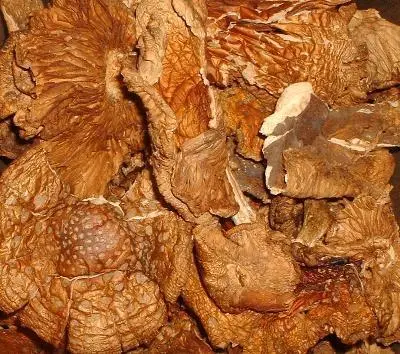
Amanita muscaria mushroom, often called the fly agaric, is one of the most recognizable mushrooms in the world—famous for its bright red cap with white spots. Here’s a clear, educational overview covering what it is, its history, effects, and risks.
What It Is
Amanita muscaria is a psychoactive mushroom, but it is not the same as psilocybin (“magic”) mushrooms. Its primary active compounds are muscimol and ibotenic acid, which affect the brain differently from psilocybin.
Appearance
-
Bright red to orange cap with white wart-like spots
-
White gills and stem
-
Grows in temperate regions across Europe, Asia, North America, and parts of Africa
-
Often found near birch, pine, and spruce trees. ( buy fly agaric)
Historical & Cultural Use
-
Used traditionally in Siberian and Northern European shamanic practices
-
Appears frequently in folklore, fairy tales, and mythology
-
Some scholars link it to ancient rituals and symbolic religious imagery
Reported Effects (Educational, Non-Instructional)
Amanita muscaria produces effects that are often described as:
-
Sedation or dream-like states
-
Altered perception of reality
-
Euphoria or emotional changes
-
Confusion or disorientation
-
Distorted sense of time and space
The experience is often described as deliriant or dissociative, rather than visual and “psychedelic” like psilocybin mushrooms.
Risks & Safety Concerns using amanita muscaria mushroom
-
Can cause nausea, vomiting, sweating, dizziness
-
High doses may lead to confusion, agitation, or loss of coordination
-
Effects are unpredictable and vary greatly by individual
-
Can be dangerous if misidentified with other toxic Amanita species
-
Not recommended for people with mental health conditions
-
Illegal or restricted in some countries
buy fly agaric/ amanita muscaria mushroom


Reviews
There are no reviews yet.